

How a Vehicle Qualifies for a Rebuilt Title
How Does a Vehicle Qualify for a Rebuilt Title?
A rebuilt title is part of a vehicle’s documented history. In general, it is a title designation that may be issued after a vehicle with a previous salvage history completes the applicable requirements established by a state.

For car shoppers, understanding this process can make title terminology much easier to interpret. Rather than looking at a rebuilt title as a standalone label, it helps to understand the larger journey behind it, including the previous title status, available records, state requirements, and vehicle history.
Because every state handles title branding differently, there is no single nationwide process. The exact steps and terminology can vary, but the general idea is that a vehicle moves through a documented process before receiving a rebuilt, reconstructed, restored, or similarly named title.
What Is a Rebuilt Title?
A rebuilt title generally indicates that a vehicle previously carried a salvage designation and later completed the requirements necessary for another title status under applicable state rules.
The exact terminology depends on the state.
Some states may use terms such as:
- Rebuilt
- Reconstructed
- Restored
- Prior salvage
These terms should not automatically be treated as identical. Their meaning depends on the state that issued the title and the requirements in place at the time.
For buyers, the most important thing is to understand that a rebuilt designation represents one stage in a vehicle’s broader title history.
The Process Usually Begins With a Salvage Title
In many cases, the rebuilt-title journey starts with a salvage designation.
A vehicle may receive a salvage title after an event that meets the state’s applicable requirements.
Why a Vehicle May Receive a Salvage Designation
Depending on the state and the circumstances, the event may be related to:
- Collision damage
- Weather-related damage
- Flood exposure
- Theft recovery
- Other qualifying events
The reason behind the original title designation can provide useful context later in the vehicle’s history.
That is why buyers benefit from reviewing the title history along with other available records.
Repairs May Be Part of the Rebuilt Title Journey
A vehicle with a salvage history may undergo repairs before becoming eligible for another title designation.
The type and extent of those repairs can vary significantly from one vehicle to another.
No two vehicle histories are exactly the same, so documentation can be an important part of understanding what happened.
Helpful Records May Include
Depending on availability, records may include:
- Repair documentation
- Parts records
- Vehicle history reports
- Ownership records
- Maintenance history
- Inspection records
- Mileage documentation
Together, these sources can help explain how the vehicle moved from one title status to another.
State Requirements Determine Eligibility
Each state establishes its own rebuilt-title requirements.
There is no universal national standard that every vehicle follows.
Depending on the jurisdiction, the process may involve some combination of:
- Title applications
- Ownership documentation
- Repair records
- Parts information
- Vehicle identification verification
- State-required inspections
- Administrative forms or fees
Because these requirements differ, buyers should always pay attention to which state issued the title.
Why Inspections May Be Part of the Process
Many states require some form of inspection before issuing a rebuilt or reconstructed title.
However, the scope and purpose of those inspections can differ.
Inspection Requirements Are Not the Same Everywhere
A state title inspection should not automatically be interpreted as a universal mechanical evaluation.
Some inspections may focus on documentation, vehicle identification, specific repairs, or other state-defined requirements.
For that reason, buyers should understand what a specific state’s process includes instead of assuming every rebuilt-title inspection follows the same standard.
What Happens After the Requirements Are Completed?
When the applicable state requirements are satisfied, the vehicle may become eligible for a rebuilt, reconstructed, restored, or similarly named title.
That new designation becomes part of the vehicle’s documented history.
The Earlier Title History Still Matters
A rebuilt designation generally does not erase the earlier salvage history.
Instead, it adds another stage to the vehicle’s title record.
This can help future buyers better understand how the vehicle’s title status changed over time.
Why the Issuing State Matters
The state associated with a rebuilt title is important because title laws and procedures vary.
A rebuilt designation issued in one state may reflect different requirements than a similar designation issued elsewhere.
Useful questions include:
- Which state issued the rebuilt title?
- What terminology does that state use?
- What requirements applied?
- Is supporting documentation available?
- What does the vehicle history report show?
These questions help buyers interpret title information more accurately.
A Rebuilt Title Is Only One Part of the Vehicle’s Story
Title history is important, but it should be reviewed alongside other information.
A complete vehicle history may also include:
- Ownership records
- Maintenance history
- Service records
- Mileage information
- Vehicle history reports
- Inspection documentation
- Current vehicle information
Looking at multiple sources can help buyers develop a more complete understanding of the vehicle.
Maintenance History Still Matters
Routine maintenance remains an important part of used vehicle research regardless of title status.
Records of oil changes, tires, brakes, batteries, and scheduled service can help buyers understand how a vehicle has been cared for over time.
Title history and maintenance history answer different questions, but both can add useful context.
Vehicle History Reports Can Help Connect the Dots
A vehicle history report may help buyers see how title events fit into a broader timeline.
Depending on available data, reports may include:
- Title history
- Ownership records
- Registration history
- Reported incidents
- Mileage
- Service activity
A report may not tell the entire story, but it can be a valuable tool when combined with other available records.
Understanding the Process Builds Confidence
The term “rebuilt title” can sound complicated when a shopper encounters it for the first time.
Learning how the process generally works can make the terminology much easier to understand.
A rebuilt designation is one part of a documented vehicle history. By learning about the previous title status, issuing state, available records, and applicable requirements, buyers can approach their research with more knowledge and confidence.
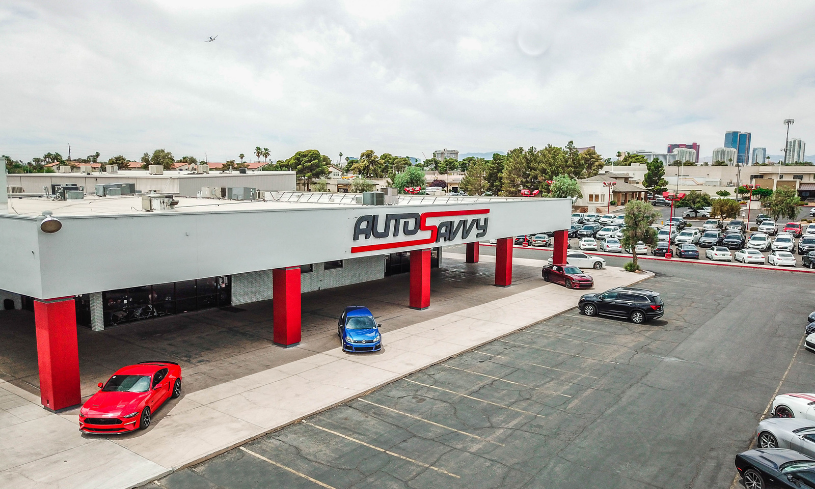
At AutoSavvy, we believe informed shoppers make better decisions. Understanding branded, salvage, and rebuilt titles can help buyers ask better questions and make sense of the information available to them.
Questions to Ask When Researching a Rebuilt Title Vehicle
Buyers researching a rebuilt title vehicle may want to ask:
- What was the previous title status?
- Why was the original title brand issued?
- Which state issued the rebuilt title?
- What does that state’s designation mean?
- What documentation is available?
- Are inspection records available?
- Is maintenance history available?
- What does the vehicle history report show?
The goal is to understand the complete history rather than relying on a single piece of information.
Frequently Asked Questions
How Does a Vehicle Get a Rebuilt Title?
Generally, a vehicle with a previous salvage designation may qualify for a rebuilt or similarly named title after completing the applicable requirements established by the state.
Does Every State Use the Term “Rebuilt Title”?
No. States may use different terms, including rebuilt, reconstructed, restored, or prior salvage.
Does a Rebuilt Title Erase the Previous Salvage History?
Generally, no. The rebuilt designation becomes another part of the vehicle’s title history rather than removing the earlier history.
Are Rebuilt Title Inspections the Same in Every State?
No. Inspection procedures and requirements vary by state.
What Should Buyers Research About a Rebuilt Title?
Buyers can review the issuing state, previous title history, vehicle history reports, maintenance records, available documentation, and other records associated with the vehicle.
Disclaimer
This article is provided for general educational purposes only and does not describe AutoSavvy’s inventory, vehicles, inspections, reconditioning, or business processes. Vehicle title terminology, inspection requirements, and rebuilt-title procedures vary by state. Consumers should review applicable state requirements and available documentation when researching a specific vehicle.










0 comment(s) so far on How a Vehicle Qualifies for a Rebuilt Title