

What’s the attraction to traction?
Traction, Traction, Traction
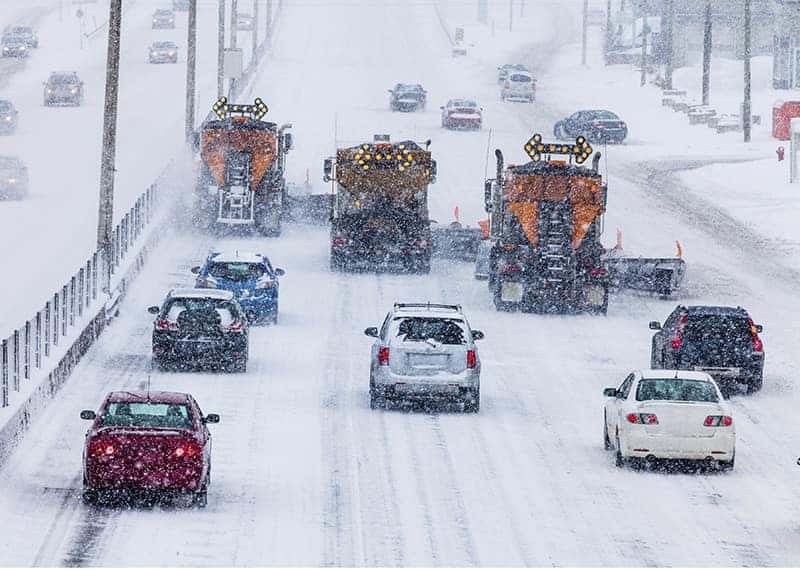
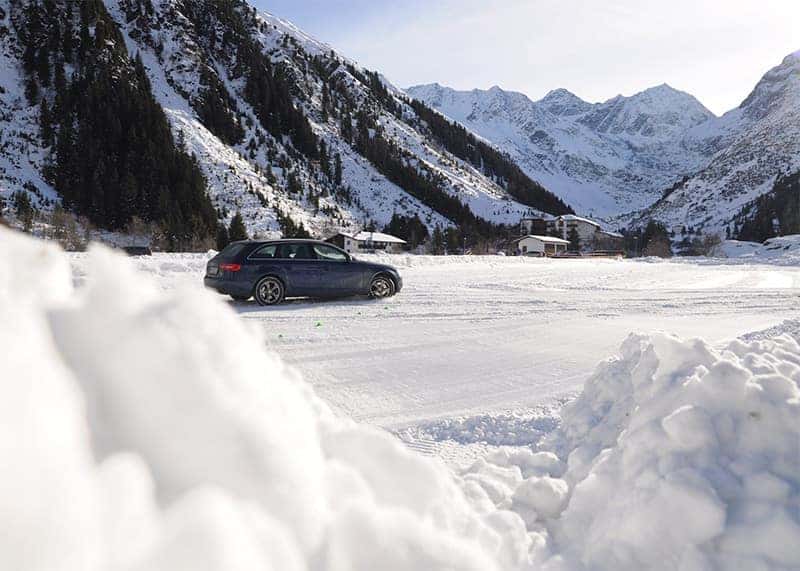
Winter time is fast-approaching, and if you are in a cold-weather climate like many of us, that means preparing for driving in treacherous weather.
If you are in the market for a new car this winter or just want to know what this “traction debate” is all about, AutoSavvy has done some just-in-time research you’ll want to read.
All-Wheel Drive (AWD)
All-wheel drive is found primarily in cars and small-mid size SUVs. All-wheel drive systems operate automatically and don’t require any action by the driver to engage (e.g. flipping a switch or turning a dial). Some electronic AW D systems remain in front-wheel drive or rear-wheel drive until the system detects wheels slipping, and then power is distributed to all four wheels. A couple of the well-known AWD automakers are Audi (Quattro) and Subaru, although most manufacturers are rolling out AWD models now.
You’ll like it for: superior traction in snowy/icy conditions, especially when coupled with snow tires.
You won’t like: the cost of AWD. Not only is the cost of purchasing an AWD drive vehicle considerably more than FWD and RWD equivalents, all-wheel drive systems are also more expensive to maintain. Additionally, due to the extra weight of the AWD system they are less fuel efficient.

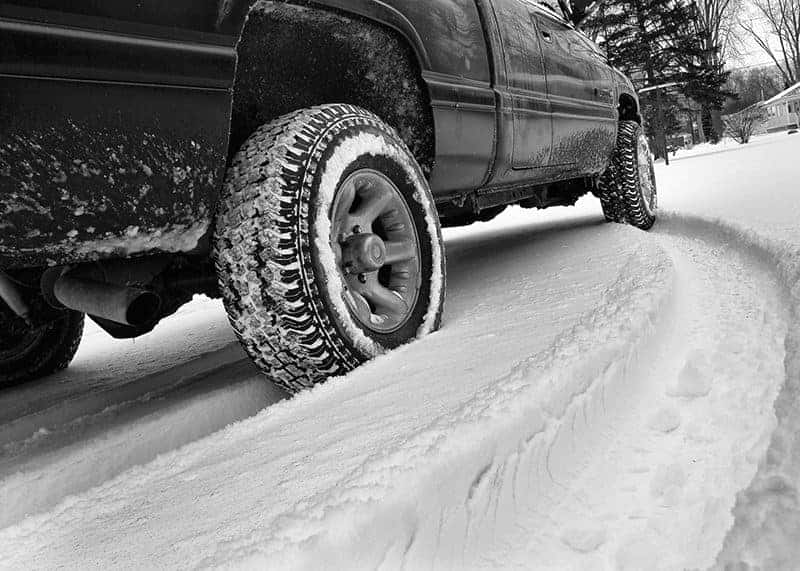
4-Wheel Drive (4WD)
4-wheel drive is generally found in heavy-duty vehicles such as pickup trucks and truck-based SUVs. The vehicle typically sends power from the engine and transmission to the rear wheels, and the driver “turns on” four-wheel drive, usually by flipping a switch/button or turning a dial on the dashboard.
You’ll like it for: off-roading or driving in harsh climates, and towing heavy loads like boats up a boat ramp, or pulling trailers through rugged terrains.
You won’t like: 4WD vehicles are generally heavier and thus are not as fuel efficient. The cost of 4WD compared to either front-wheel drive or rear-wheel drive is also significantly higher. Even though 4WD offers greater traction in slippery conditions, it won’t help your vehicle slow down any faster.
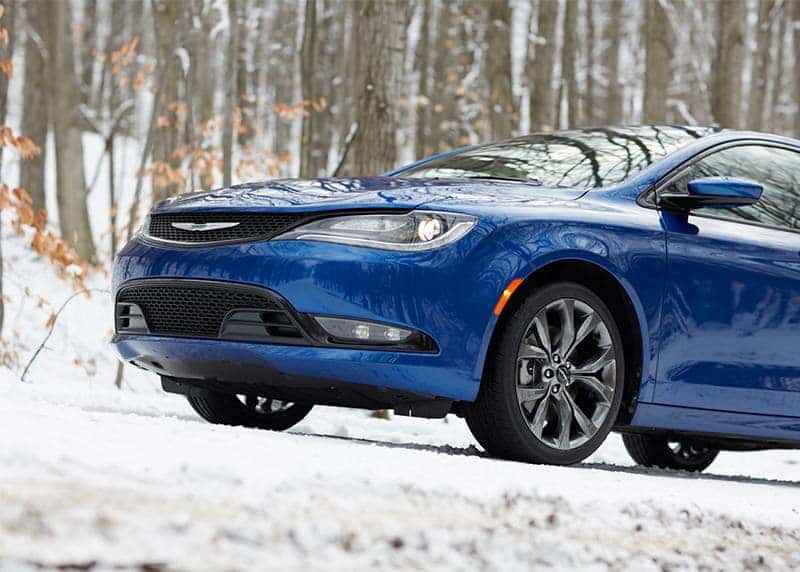
Front-Wheel Drive (FWD)
The front two wheels are powered by drive axles that are connected to the transmission and driven by the engine. This is most commonly found in most cars and minivans. Front-wheel drive generally offers good traction in most conditions which is attributed to the weight of the engine being over the drive wheels (unlike rear-wheel drive).
You’ll like it for: cost savings vs. all-wheel drive. In one of our recent tests, our 2016 Nissan Murano with front-wheel drive was nearly $2,000 less than its all-wheel drive counterpart.
You won’t like: lack of traction in slippery conditions compared to all-wheel drive or 4-wheel drive vehicles. We suggest investing in snow tires for a FWD vehicle if you are in a snowy climate.
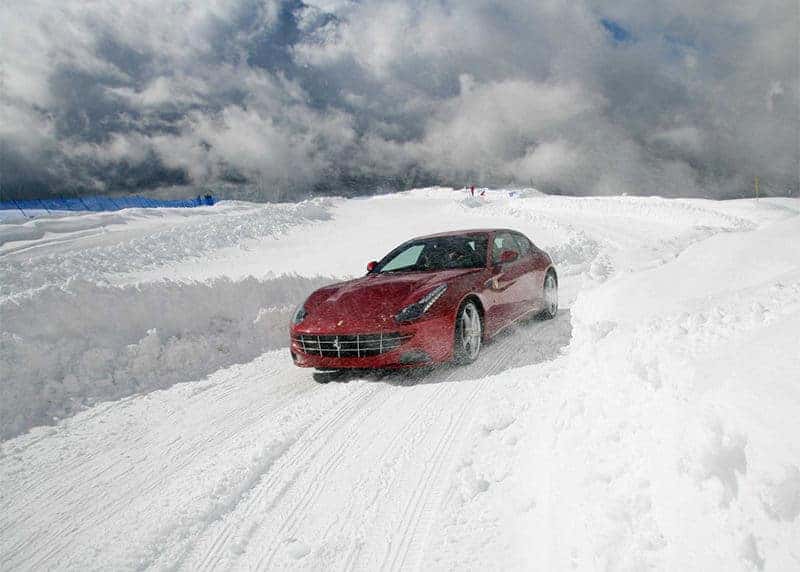
Rear-Wheel Drive (RWD).
Rear-wheel drive cars are propelled by the rear wheels which are connected to a differential and drive axle that comes from the engine in the front of the car. This is most commonly found in sports cars and pickup trucks, but is also used in some SUVs. Interesting fact: only about 12% of AutoSavvy’s inventory is rear-wheel drive.
You’ll like it for: handling and cornering in dry conditions due to the weight distribution.
You won’t like: “fish-tailing” effect when accelerating in slippery conditions.
What’s Best?
In a recent study by Consumer Reports, it was determined that using winter tires matters more than having all-wheel drive in many situations. TireRack confirmed this in their own study, proving that snow tires can improve braking by 35%. Between all-wheel drive and two-wheel drive, all-wheel drive certainly is better on getting through slick surfaces (i.e. driving up a snowy hill) but it alone won’t help when it comes to slowing down at a curve on an icy road.
The ideal vehicle setup for snowy and icy climates would be all-wheel drive AND snow tires, however, it comes at a cost. A set of four snow tires can easily run for $1,000, and then there is the cost of swapping them in and out every other season.

- New Tires. While new snow tires are not cheap, they are less than the cost of a new car or a more expensive AWD version. Also, new tires might even be a cheaper (and less painful) expense than your insurance deductible.
- Practice driving in empty parking lots. Seriously. Find a big parking lot at a large store (Home Depot, Wal-Mart) late on a snowy night when it’s closed and empty, and simply practice driving in the snow! We know that sounds silly but it really can help. Accelerate, intentionally swerve, and brake hard to see how your car responds. Knowing your car’s limits and how it will handle certain responses will help you know what you can and cannot do in real-life, snowy or icy situations.

- Plan ahead. Knowing the road conditions before you leave will help you tremendously. If you know that it’s going to be snowing and icy, give yourself plenty of time to arrive at your destination. Most accidents in snowy/icy conditions are due to people driving too fast, and it’s probably fair to assume many of them are just running late for work, school, etc.
- Browse AutoSavvy’s inventory of AWD, 4WD, FWD & RWD inventory. When you purchase a branded title car with us you may be surprised at just how far your dollar will go. Time and time again, we hear our customers talk about how they were able to get more for their money at AutoSavvy. So if the AWD version of your favorite SUV seems out of reach and you were ready to settle for the FWD version then please take a look at our inventory and see how your options open up.
View Inventory
What do you think?
What has been your experience with winter weather driving? We want to know! Leave us a comment and tell us what has worked (and not worked) for you when driving in the snow and ice?
Stay safe out there!









0 comment(s) so far on What’s the attraction to traction?